Tell us about the job
Takes about a minute. No obligation.
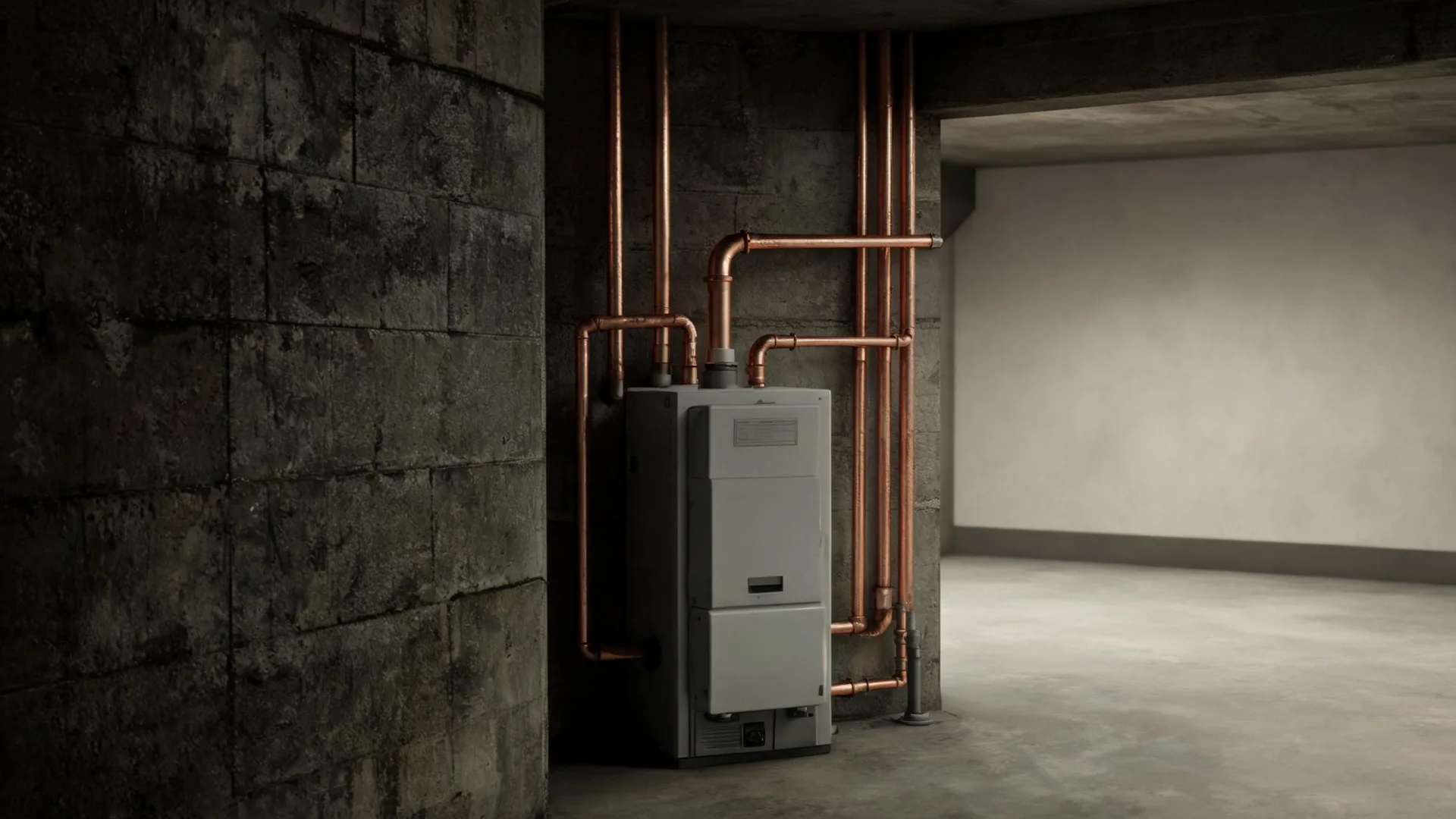
A boiler's burner assembly and ignition system take the full weight of a long heating season, cycling on and off through cold mornings and cold nights until the parts that start and stop the heat begin to show it. Homes in Kootenai County, ID run heat about ten months a year, from September through June. By the time a homeowner calls for a repair, the ignition components and heat exchanger on most units here have been through enough repeated thermal stress that a contractor starts the diagnosis there, not at the periphery. Sediment buildup in the system and fatigue in the expansion tank are common findings alongside the primary fault.
Boiler systems in this county have their own histories, separate from the walls they sit inside. Half the homes in Kootenai County, Idaho were built in 1996 or earlier (2020-2024 ACS 5-year). That figure matters to a repair contractor because it shapes what they expect to find, but the boiler itself may be far younger than the house, or older, or a replacement unit running on piping that was never quite sized for it. What decides the scope and cost of a repair is what the opened system turns out to hold: the condition of the heat exchanger, whether the controls still source parts, and what the existing piping and venting actually show once someone looks.
The Parts of a Boiler a Contractor Checks First
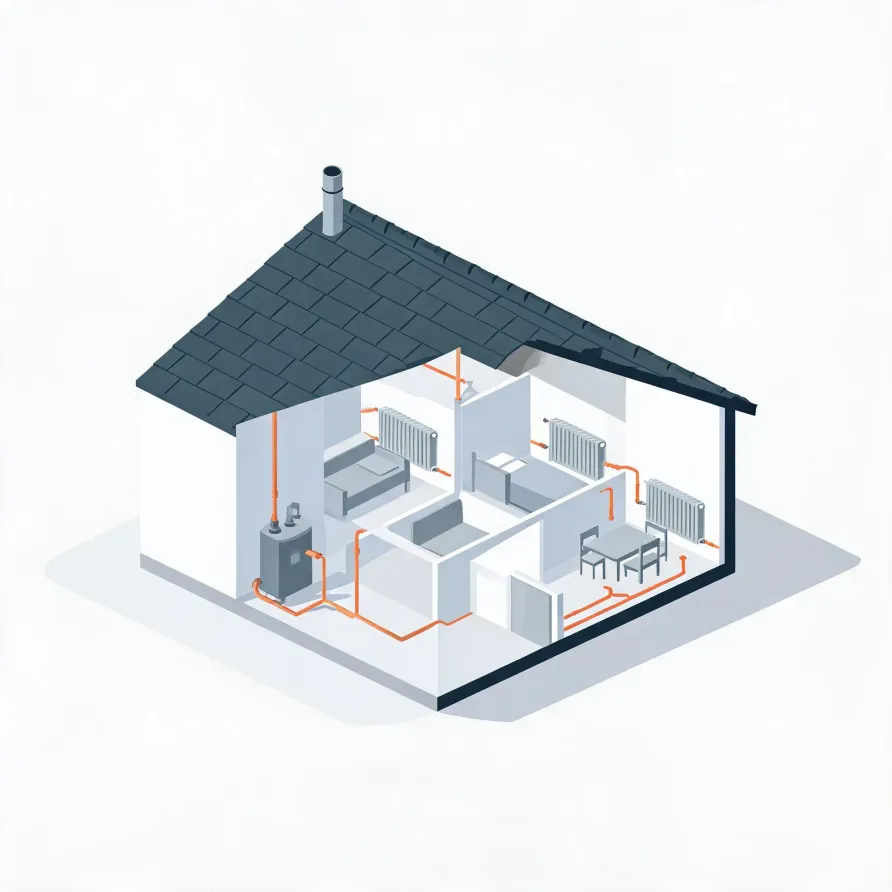
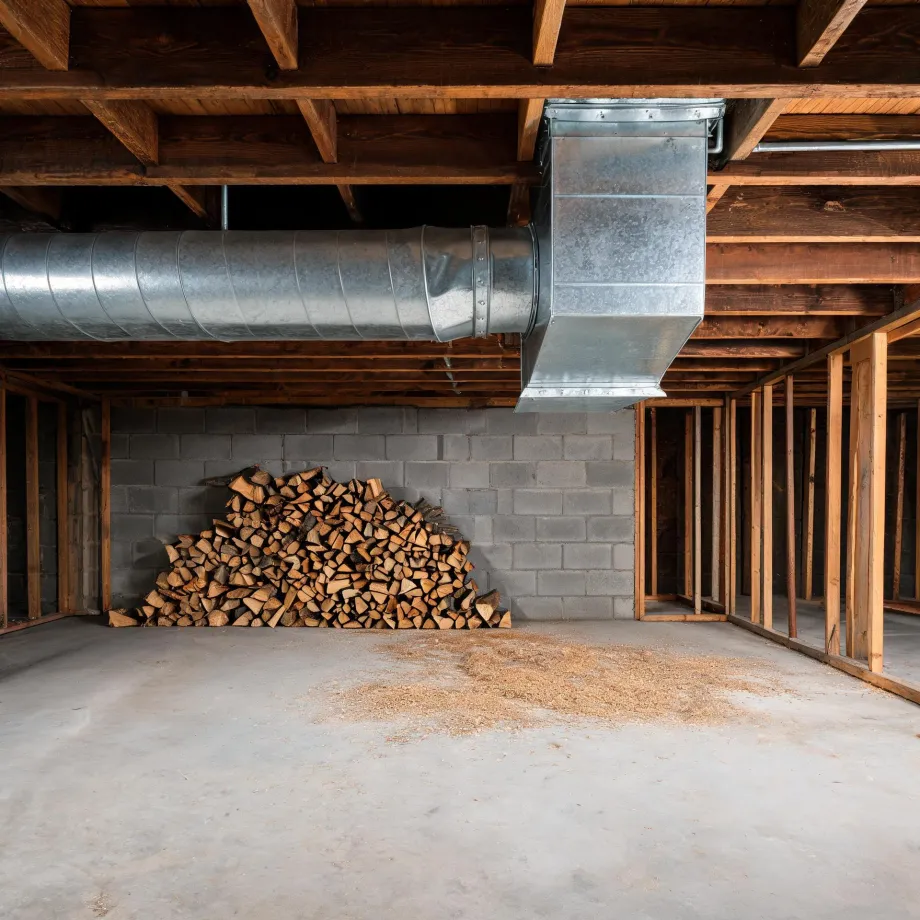
The boiler itself sits in the basement or mechanical room and is the unit that heats water and sends it through the system. When a boiler is failing, a contractor looks first at the heat exchanger and the burner assembly, since those are where combustion happens and where problems show up as lost heat, strange odors, or the unit short-cycling.
Circulator pumps move heated water out to the radiators or baseboard units in each room, and a failed pump is a common reason one zone goes cold while the rest of the house stays warm. The expansion tank, pressure relief valve, and aquastat sit close to the boiler and each plays a role in keeping the system at safe, stable pressure and temperature.
The drawing shows a general layout of these components, and a licensed contractor determines which parts apply and what condition they are in for your specific system.
Find a contractor in Kootenai CountyKootenai County, by the numbers
730 severe weather events were recorded in Kootenai County, Idaho between 2015 and 2024.
NOAA National Centers for Environmental Information, Storm Events Database, bulk CSV export, events 2015-01-01 through 2024-12-31.Half the homes in Kootenai County, Idaho were built in 1996 or earlier (2020-2024 ACS 5-year).
U.S. Census Bureau, 2020-2024 American Community Survey 5-Year EstimatesKootenai County, Idaho holds 80,260 housing units (2020-2024 ACS 5-year).
U.S. Census Bureau, 2020-2024 American Community Survey 5-Year EstimatesOwners occupy 71.3% of the occupied homes in Kootenai County, Idaho (2020-2024 ACS 5-year).
U.S. Census Bureau, 2020-2024 American Community Survey 5-Year EstimatesCodes & Standards Covering Boiler Repair in Kootenai County, Idaho1 sourced rules and standards
Licensing Rules for HVAC Repair in Kootenai County, Idaho
Idaho requires a state certificate of competency for heating, ventilation and air conditioning work: it is unlawful to engage in the business, trade or practice without passing the examination and holding the certificate.
Severe Weather Events in Kootenai County
Extreme weather puts real stress on boiler systems, and how often that stress hits depends entirely on where you live. Kootenai County's conditions shape how hard local equipment works and how often it needs attention.
730 severe weather events, 2015–2024. Source: NOAA National Centers for Environmental Information, Storm Events Database.