Tell us about the job
Takes about a minute. No obligation.
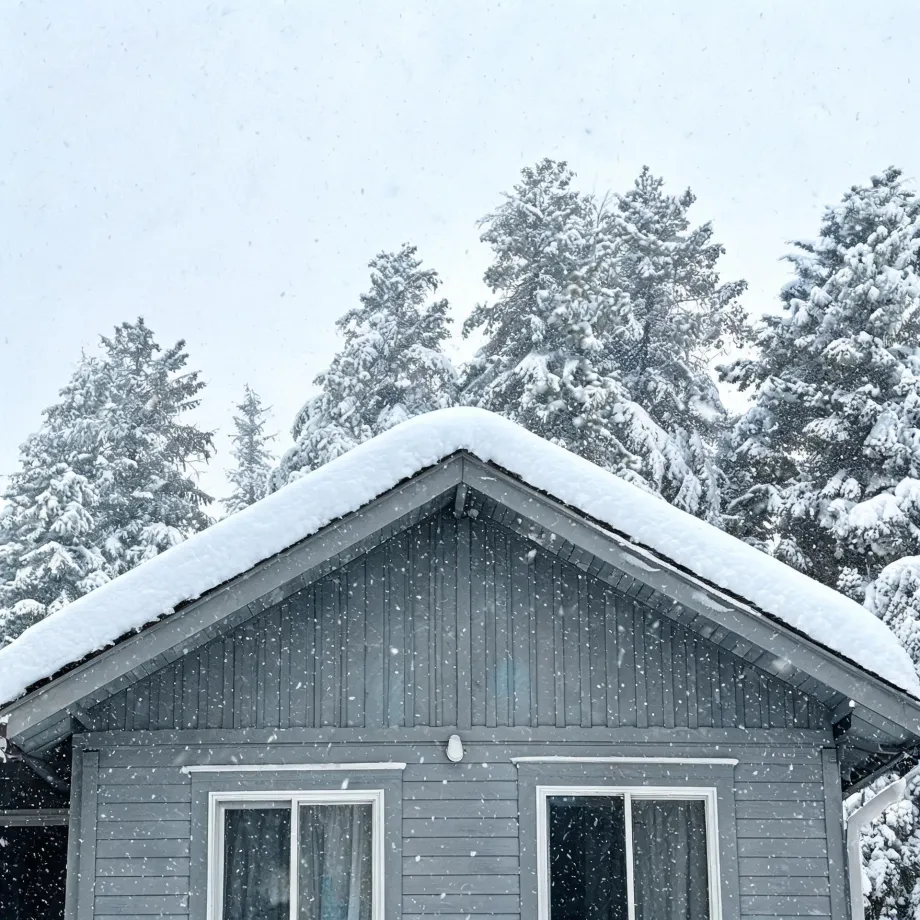
Sizing a boiler for this county starts with how long the burner actually runs. Homes in Twin Falls County, ID run heat about nine months a year, from September through May. A burner and heat exchanger cycling through that stretch of calendar accumulate wear that a contractor has to price into both the equipment choice and the installation spec. A unit that is undersized for the load runs longer cycles to hit setpoint, and the ignition system takes the brunt of that first. Contractors quoting a replacement here factor sustained runtime into the capacity calculation before anything else.
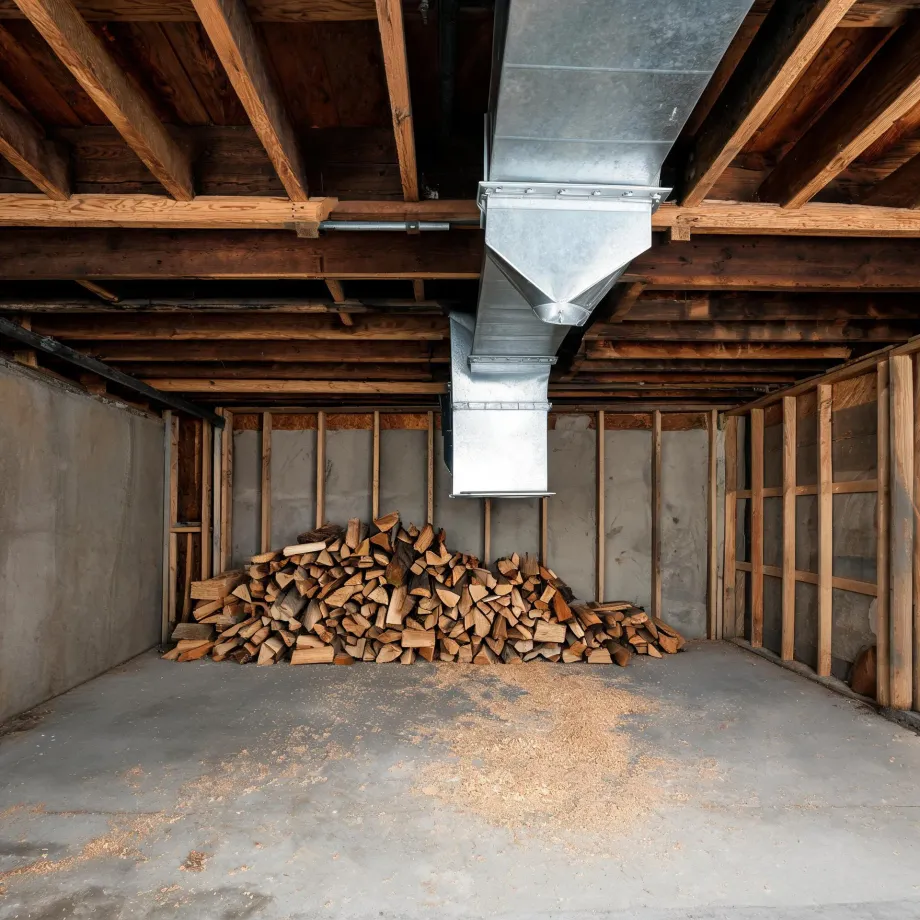
Ductwork laid for one kind of heat does not automatically carry another. Half the homes in Twin Falls County, Idaho were built in 1982 or earlier (2020-2024 ACS 5-year). A contractor sizing a boiler replacement here has to open and measure what the house already has, because the distribution system was built for a different fuel source or a different delivery method, and whether it serves the new unit is not something visible from the outside. The electrical is a separate question. Both answers come from inside the walls, not from the permit or the address.
What a New Boiler Installation Puts in Your Home
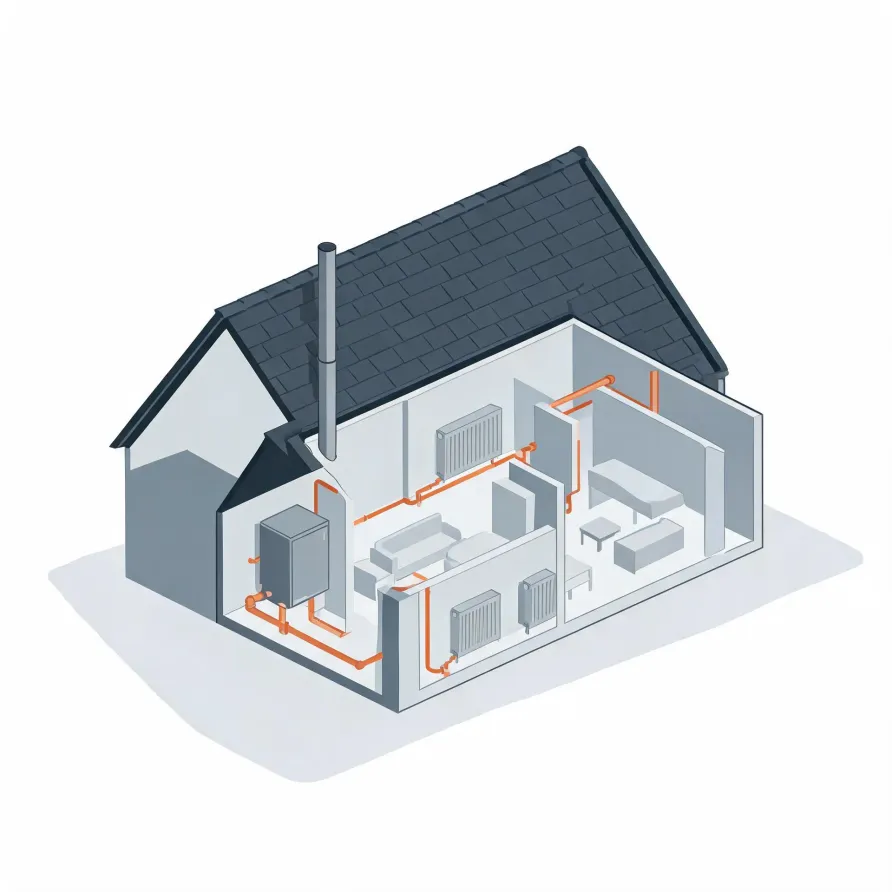
The boiler itself sits in a mechanical room, basement, or utility closet and is the unit that heats water for the whole system. Wall-mounted or floor-standing depending on the house, it is the largest piece a contractor brings in. Supply and return pipes run from it to carry hot water out to the living spaces and back again.
Radiators or radiant floor loops sit at the delivery end, placed in individual rooms or beneath finished flooring, and release heat from the water passing through them. A circulator pump, mounted close to the boiler, moves water through those pipes, and an expansion tank nearby absorbs pressure changes as the water heats and cools. A thermostat on a main living-area wall ties it all together by telling the system when to fire.
The drawing shows a typical layout, and a licensed contractor determines exactly which components and configurations apply to your house.
Find a contractor in Twin Falls CountyTwin Falls County, by the numbers
58 severe weather events were recorded in Twin Falls County, Idaho between 2015 and 2024.
NOAA National Centers for Environmental Information, Storm Events Database, bulk CSV export, events 2015-01-01 through 2024-12-31.Half the homes in Twin Falls County, Idaho were built in 1982 or earlier (2020-2024 ACS 5-year).
U.S. Census Bureau, 2020-2024 American Community Survey 5-Year EstimatesTwin Falls County, Idaho holds 36,429 housing units (2020-2024 ACS 5-year).
U.S. Census Bureau, 2020-2024 American Community Survey 5-Year EstimatesOwners occupy 70.5% of the occupied homes in Twin Falls County, Idaho (2020-2024 ACS 5-year).
U.S. Census Bureau, 2020-2024 American Community Survey 5-Year EstimatesBoiler Installation Rules & Standards for Twin Falls County, Idaho1 sourced codes and standards
Licensing Rules for HVAC Work in Twin Falls County, Idaho
Idaho requires a state certificate of competency for heating, ventilation and air conditioning work: it is unlawful to engage in the business, trade or practice without passing the examination and holding the certificate.
Severe Weather Events in Twin Falls County
Boilers work hardest when outdoor conditions push hardest against them. How often that happens in Twin Falls County shapes what a boiler installation here needs to handle, which is why local weather data belongs alongside any honest conversation about equipment.
58 severe weather events, 2015–2024. Source: NOAA National Centers for Environmental Information, Storm Events Database.