





Why your radiators won't heat up in Idaho

Send the request today and stop worrying about who to call.

I'm done searching

Why won't my radiators heat up?

Cold radiators in a house that should be warm usually mean something specific is wrong, not that the whole boiler has failed. You want to know if this is something simple or a sign of a bigger problem before it gets worse, especially with how hard winters run here.

Air is trapped in the radiator, or the circulator pump isn't moving water through it

A radiator that stays cold while the boiler runs almost always has air trapped inside it, blocking the hot water from filling the radiator. Sometimes the problem is further back, a circulator pump that has stopped pushing water through the loop, or a valve that's closed or stuck. If only one radiator is cold while the rest heat up fine, the issue is usually local to that unit, air or a valve. If every radiator is cold, the pump or the boiler itself is more likely the cause. Either way, the gas boilers common in Idaho homes keep running even when radiators aren't heating, so the problem can sit unnoticed for a while before anyone catches it.

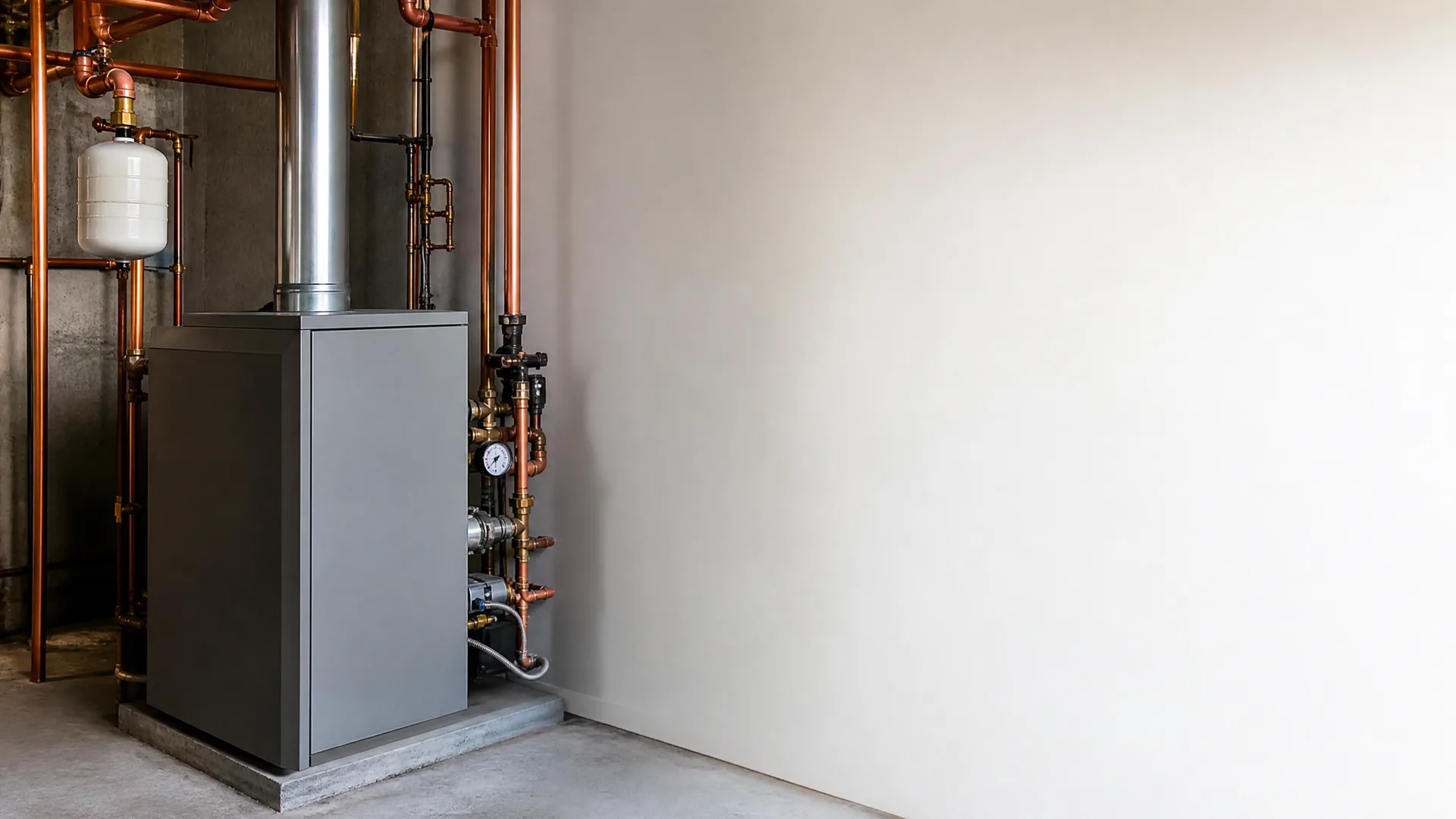
A grey floor-standing boiler with a metal flue and copper pipework, valves and a pressure gauge stands in the corner of a room with plain light walls and a concrete floor.

Trapped air is the usual cause

Water circulates through the system, and air gets in through refilling, small leaks, or dissolved gas coming out of solution as water heats. That air rises and sits in the top of each radiator, so hot water never fills the space and the top stays cold while the bottom warms. A radiator with a bleed valve can be checked for this directly: the valve releases trapped air and lets water take its place.

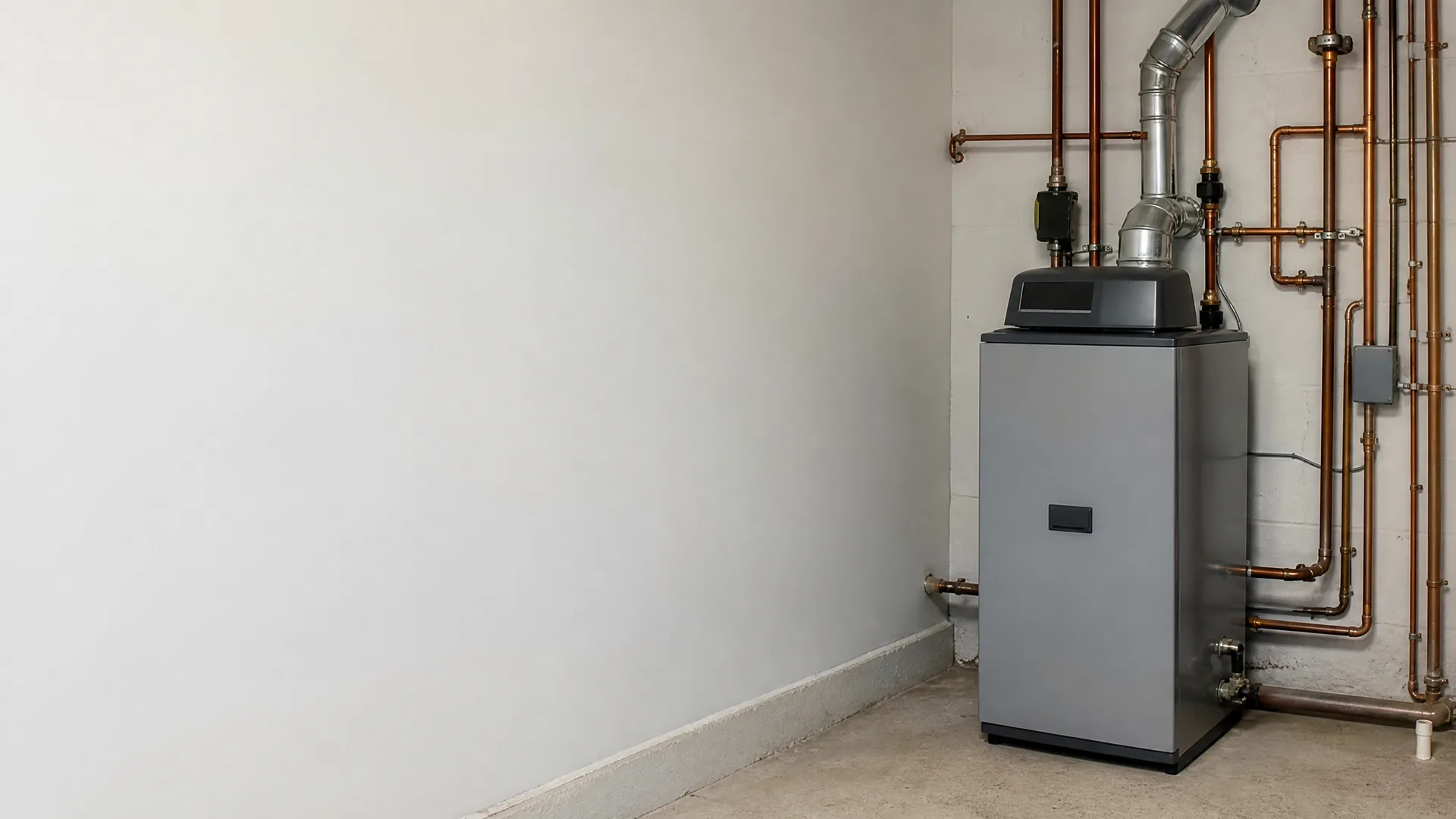
A gray floor-standing boiler with a metal flue pipe stands in the corner of a plain painted basement room, connected to copper pipes running along the wall.

One cold radiator points elsewhere

If every radiator in the house is cold, the problem is likely at the boiler itself, the pump, or the thermostat calling for heat. If only one or two are cold while the rest heat fine, the cause is local to those units: a stuck valve, a clogged line, or an imbalance in how water is reaching that part of the loop. Idaho winters make this distinction worth sorting out before the cold spreads to rooms that were working fine.

Bleed It Yourself or Call a Contractor

Bleed it yourself

  • A radiator key opens the bleed valve at the top, and you turn it until water runs out steady with no hissing air left.
  • This fixes one radiator at a time, so if three rooms are cold you are doing this three times.
  • Air comes back if the boiler is losing pressure somewhere, so bleeding the same radiator every few weeks points to a leak, not a one-time fix.
  • You need to check the boiler's pressure gauge after bleeding, since letting air out drops the system pressure and it may need topping up.
  • Gas boilers here run most of the winter, so a radiator that stays cold after bleeding is worth catching early rather than living with a cold room.

Call a contractor

  • A contractor pressure tests the system and finds whether the air is from a slow leak, a failing automatic air vent, or something in the boiler itself.
  • If the bleed valve is stuck or stripped, a contractor replaces it, since forcing a worn valve can crack the fitting.
  • You skip calling around to find someone who works on boilers and explaining the same cold-radiator problem more than once.
  • A contractor checks the circulator pump too, since a radiator that never gets air but still stays cold points there instead.
  • Once you send the form, finding someone to come look at it stops being something you have to manage.
A smiling man in a gray long-sleeved shirt stands in a kitchen looking to the side, with open shelves of dishes, a white mug on the counter, a potted plant, and a view through a doorway into a living room.
A smiling bearded man in a green sweater sits at a white marble kitchen island with a mug, potted plant and bowl of fruit, in a bright white interior with open shelving and an arched doorway.
A smiling man with dark curly hair and a beard, wearing a dark green knit sweater, stands at a white marble kitchen counter with a dark blue mug, with open shelving, pendant lights and a houseplant behind him.
A smiling man in a green ribbed sweater stands behind a wooden table holding a ceramic mug of coffee in a kitchen with white subway tile, shelves of potted plants, and a bowl of fruit.

Hand off the boiler problem

Answer a few questions instead of calling shop after shop.

You only hire the pro if you want to.

A cold radiator in January doesn't stay a one-room problem for long. Idaho winters push a boiler hard, and a system running with trapped air works harder to move heat through the loop, so the rooms that do get warm cost more to heat while the cold one sits there doing nothing. Bleed it wrong, or let a stuck valve go unchecked, and you risk a leak at the radiator or water finding its way into your floor or the wall behind it. Left alone, one cold radiator tends to become two, because whatever let the air in or jammed the valve isn't fixed by waiting. You already know how this goes: you catch the small thing before it costs you a wet subfloor or a boiler that won't hold pressure. The part behind a cold radiator, a stuck valve, a bad vent, a pinhole leak further back in the system, is usually small on its own. It just doesn't stay small if it sits through a winter.

Winter nights average 22°F statewide

At 22°F overnight, your boiler is running most of the night to keep up. A radiator with trapped air isn't pulling its share, so the rest of the system carries that load until someone bleeds it.

NOAA nClimDiv 1991-2020 county normals weighted by homes

One cold radiator, one fix

If only one room is cold and the rest of the house is warm, bleeding that radiator is usually the end of it. You turn the key, let the air hiss out, and stop when water runs steady. The boiler itself is fine. The pump is fine. Nothing else needs a look unless that same radiator goes cold again in a few weeks. If it holds warm through the rest of the winter, you caught it early and it cost you nothing but a few minutes with a key.


Cold radiators all through the house

If several radiators are cold, or the ones you bled keep going cold again, the air isn't just sitting in the pipes, something is feeding it back in. That points to a slow leak somewhere in the system, a failing expansion tank, or a pressure problem at the boiler itself. Bleeding will buy you a warm room for a while, but it won't hold. Idaho winters don't give a system like this much room to limp along, and a boiler losing pressure or water needs a contractor to find where it's going before it gets worse.

A smiling man with dark curly hair in a navy t-shirt sits on a gray couch indoors, with a large-leafed plant and a window in the background.
A bearded man in a plaid flannel shirt stands in a kitchen looking out a window toward snow-covered shrubs, with a steaming mug on the windowsill and potted plants on a shelf behind him.
A closed dark laptop and a ceramic mug of coffee on a wooden dining table, with wooden chairs, a dark kitchen cabinet with cutting boards and a potted plant, and a leafy plant by a window in the background.

A cold radiator has a reason, and it's usually a small one

Most of the time, a radiator that won't heat up is trapped air, a stuck valve, or sludge sitting low in the loop. Each of those has a fix, and none of them means the boiler is failing. What matters is figuring out which one you've got before a cold room turns into a bigger strain on the rest of the system.

If bleeding it yourself doesn't hold, or the cold spot keeps coming back, that's worth a second set of eyes rather than a guess. Sending the form means you're not the one calling around Idaho for a boiler tech, sitting on hold, or explaining the same cold radiator story to three different companies before one can even look at it. That part stops being your job once you send it.

A gray upholstered sofa with a matching cushion sits beside a potted plant and a wooden table holding a small green plant in a stone pot, near a curtained window.
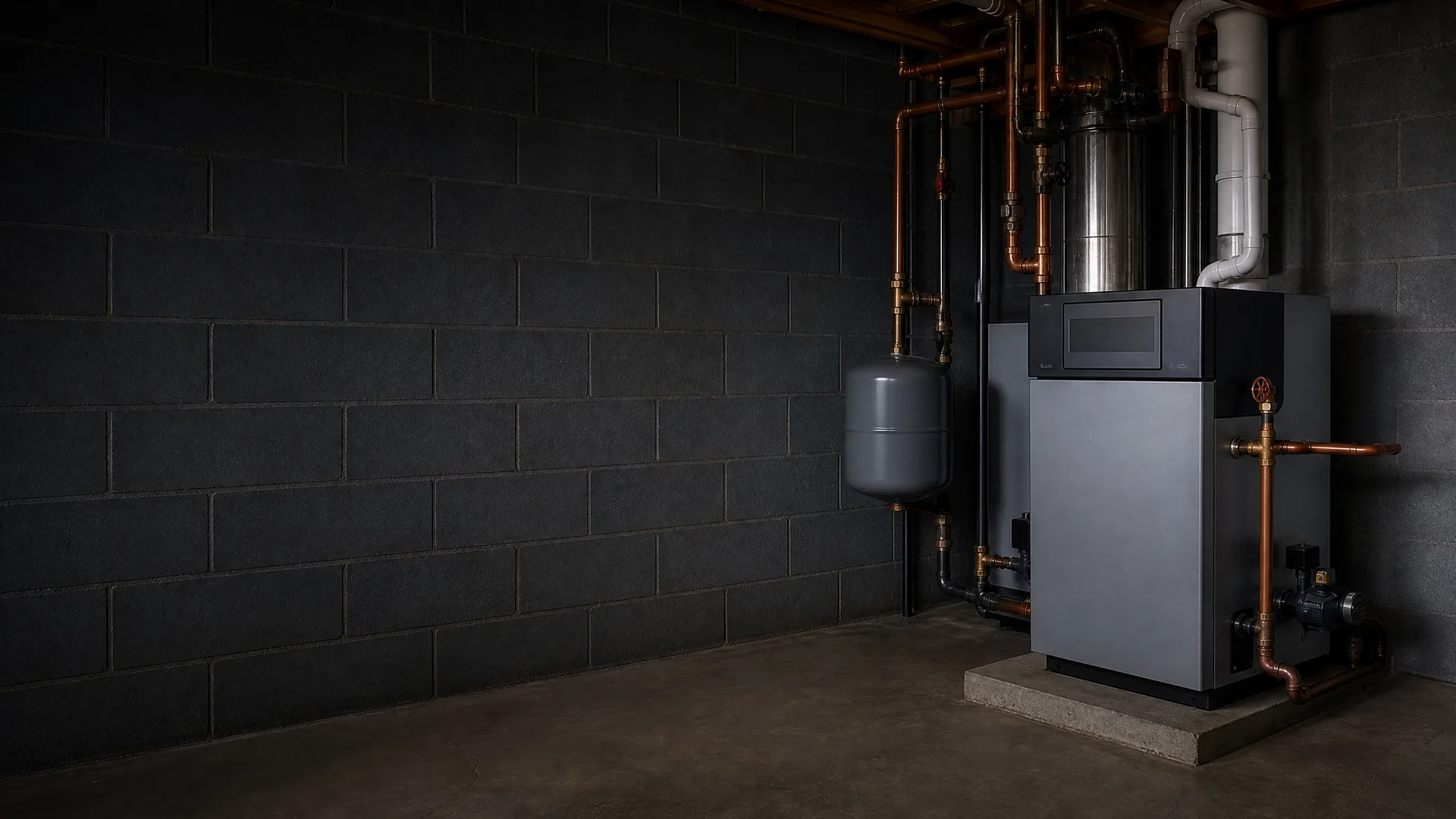
A gray boiler unit with a control panel sits on a concrete pad in a basement room with dark concrete block walls, connected to copper and metal piping, a gray expansion tank, and an insulated flue.

Done looking for a boiler pro

Describe your boiler job once, to one pro.

Step 1 of 3: Equipment