 Send it today
Why your boiler is losing pressure in Idaho
Send the request today and stop worrying about who to call.
A boiler that keeps losing pressure is telling you something is letting water out, somewhere between the system and the air around it. In Idaho, with gas heat carrying most homes through the cold months, that slow drop on the gauge is usually a sign of a small leak at a valve or fitting, or air working its way into the system and needing to be bled off. Sometimes it is the pressure relief valve doing its job because something upstream is off. None of these are things to guess at from the gauge alone.
You can keep topping it off for a while, but if it drops again in a few days, something is actually wrong and it will keep happening until someone finds where the water is going.
This is where getting the right person matters more than getting someone fast. A boiler is not like a furnace, and not every heating contractor works on them the same way. What you want is someone local who has worked on boilers through Idaho winters and knows which valves tend to fail first, where the leaks usually show up, and what a slow pressure drop in a house like yours usually means before they even open the panel.
Send the request once and that search becomes someone else's job. You are matched with one licensed contractor near you, not a list of names to sort through or a string of calls from companies competing for the work. Just the one, already suited to boiler repair, already local to Idaho, ready to take it from here.
Fill out the form below and hand this one off.
Why does my boiler keep losing pressure?
You keep an eye on the pressure gauge and it keeps dropping, so you top it up and a week or two later it's low again. That kind of slow leak usually means water is getting out somewhere, not that the gauge or the boiler itself is faulty. Before calling anyone, it helps to know what actually causes this so you understand what a repair is fixing.
A small leak somewhere in the system is letting water escape faster than it should
Most of the time the cause is a slow leak at a valve, a pipe joint, or the pressure relief valve itself, letting out small amounts of water you may never see as a puddle. It can also mean the expansion vessel has lost its air charge and can no longer absorb the system's normal pressure changes, pushing water out through the relief valve instead. With gas heat running your boiler hard through Idaho's cold months, that pressure gets tested every day, and a weak point that held fine in summer can start dropping steadily once the system is working that often. Topping off the pressure covers the symptom but not the leak itself.
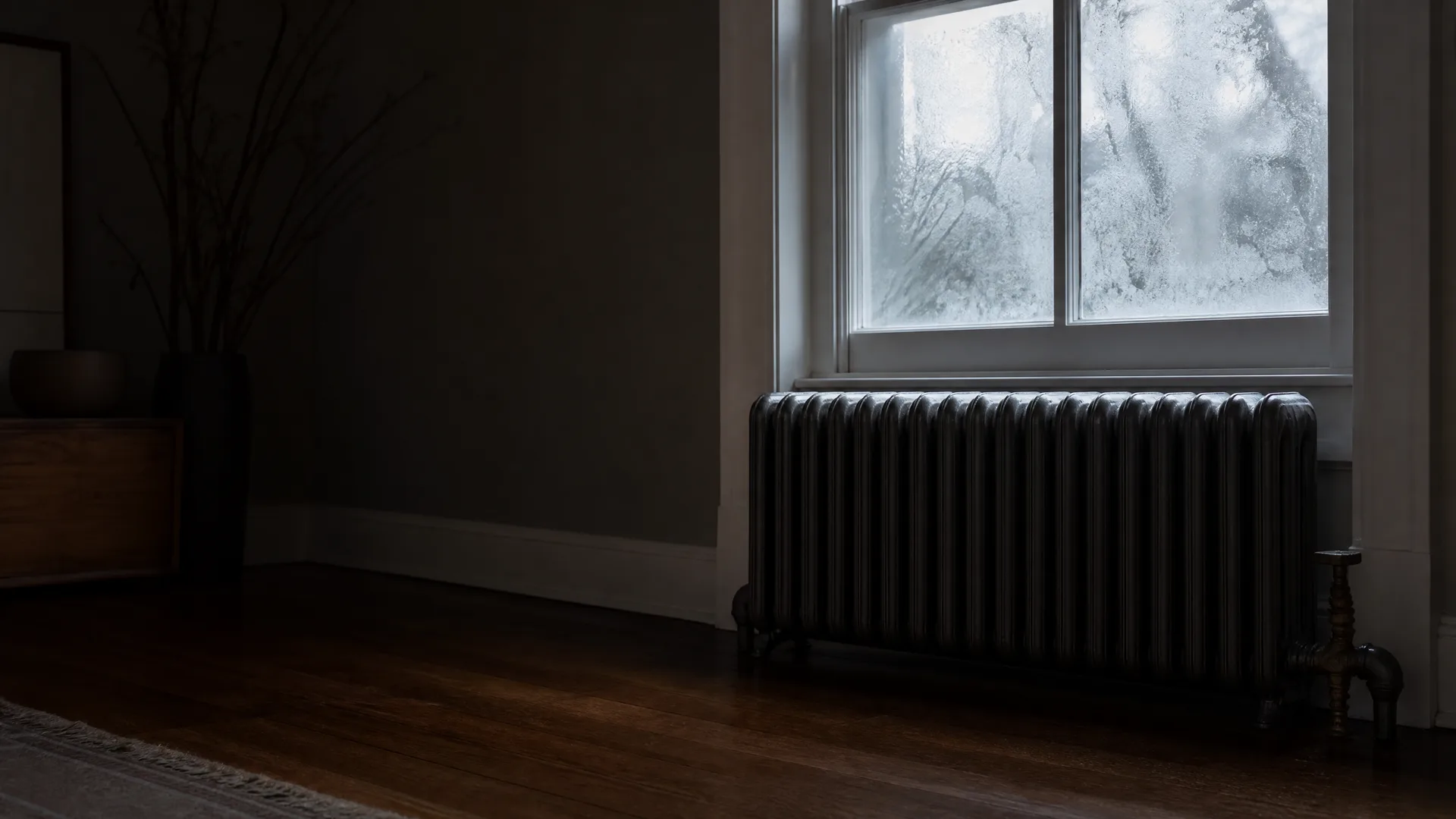
The pressure gauge read low again, same as last week. You topped it up before bed and didn't think about it. Then at six in the morning you walked past the radiator under the living room window and saw frost on the inside of the glass, not just a chill in the air but ice forming on the pane, and the cast iron was barely warm to the touch. Outside, the January dark hadn't lifted yet. You crouched down and checked the valve at the bottom, dry, no sign of a puddle, nothing to explain where the water had gone. The house felt colder than it should, and the radiator that usually carried the room was doing almost nothing.
It's off your list after this

Your request stays with one local pro.
No fee to send it, and nothing to sign.
What the pressure gauge is telling you
A boiler system holds water at a set pressure, usually somewhere around 12 to 15 psi when it's cold, and that number should hold steady for weeks or months at a time. It isn't like a car tire that slowly seeps through the rubber. A closed system with no leak keeps its pressure because the water has nowhere to go. When you see the needle drop over days, that water is leaving through a joint, a valve, a seal, or the pressure relief valve venting off because something pushed the system past its limit. Each of those points fails for a different reason, which is why a contractor checks them in order rather than guessing.
Why a small drop adds up fast
A pinhole leak at a fitting might only let out a cup of water a day, not enough to see on the floor or notice as a drip. But that's enough to pull the gauge down below the minimum the boiler needs to fire safely, and a lot of boilers will lock out or show a fault code rather than run low on water. Left alone, the same slow leak that drops your pressure also lets air into the system through that opening, which is what causes the banging and gurgling in radiators that often shows up around the same time as the pressure problem.




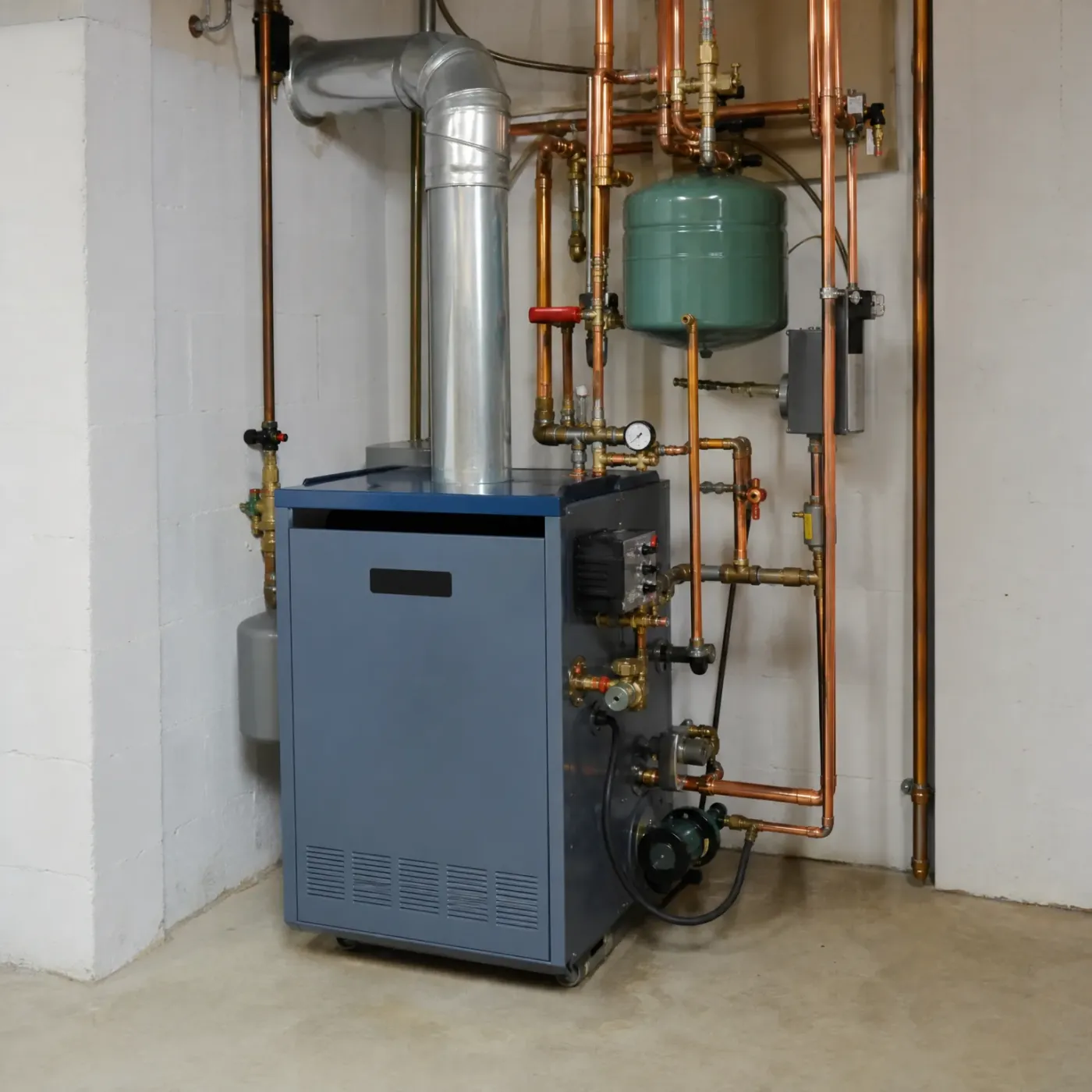
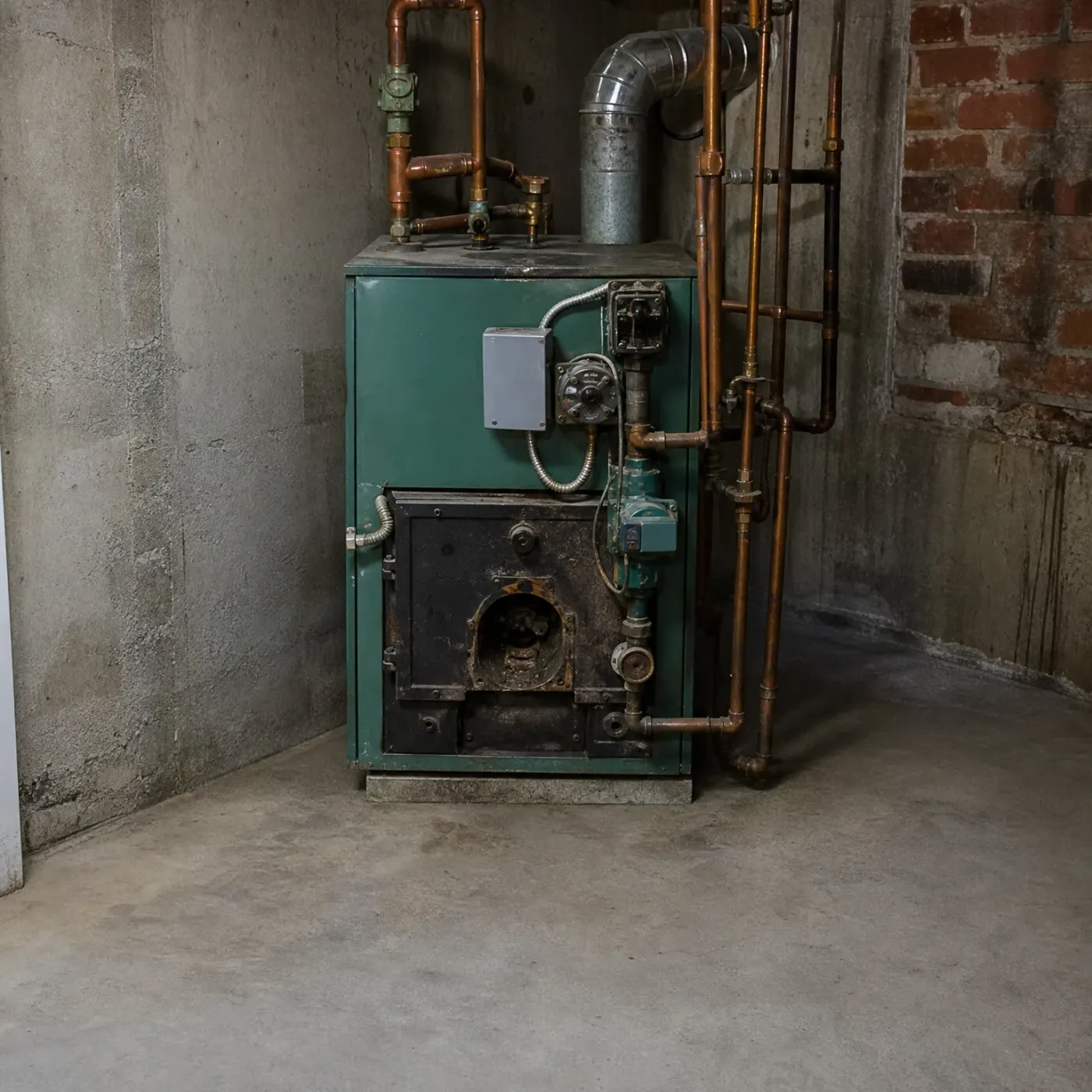
Every one of these leaks starts small, and most never show up as a puddle you'd notice. The air vent on top of the system is built to release trapped air when the boiler fires, but once the spring inside wears out, it stays open a little too long and lets water out with it. The expansion tank works differently. It's supposed to hold a cushion of air behind a rubber bladder, so the system has somewhere to push water when it heats up. Once that bladder splits, the tank fills with water instead, and pressure has nowhere to go but up, which is often what trips the relief valve. That valve only needs to open once to start dripping for good, even after pressure drops back to normal. Pipe joints and the circulator pump's shaft seal fail for a simpler reason: thousands of heating cycles, each one expanding and contracting the metal a little, until something that was tight last year isn't anymore. None of these show up by sound. They show up as a number on the gauge that keeps falling.
Where the water actually goes
- The automatic air vent is usually a small brass or plastic cap on top of the system, and once the spring inside it wears out, it weeps water instead of just burping air.
- A pinhole in a radiator or a baseboard loop often shows up first as a stain on the floor below it, not as a puddle at the boiler itself.
- The expansion tank has a rubber bladder inside it, and when that bladder fails, the tank fills with water instead of air and the system has nowhere to absorb pressure changes.
- The pressure relief valve is built to open at a set limit, usually around 30 psi, and once it has opened even once it can keep dripping at normal pressure after that.
- Pipe joints soldered or threaded years ago can loosen slightly as the system heats and cools every day, and that movement is enough to start a slow weep.
- The circulator pump has a shaft seal that keeps system water away from the motor, and once that seal wears, it lets a small amount of water escape every time the pump runs.
Winter nights average 22°F statewide
At 22°F, your boiler is running long stretches most nights from December through February to keep the house warm. That steady run time puts more hours of pressure and heat on every joint and seal, so a small leak shows up on the gauge faster than it would in a milder month.
NOAA nClimDiv 1991-2020 county normals weighted by homes


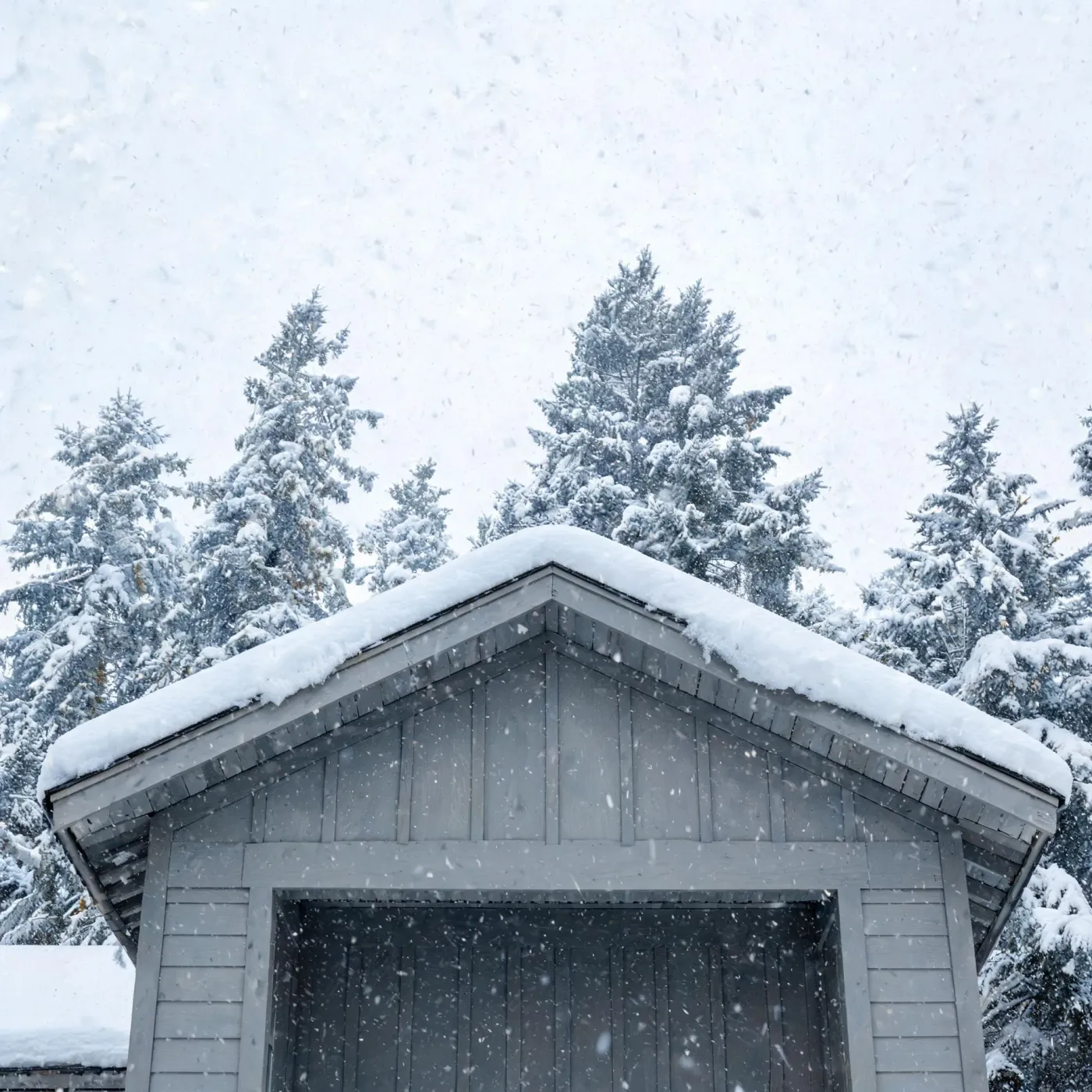
Winter nights average 22°F across Idaho, according to NOAA climate data. At that temperature your boiler is firing often and staying on longer each time to hold the house steady, and every one of those cycles flexes the joints and seals a little as the system heats up and cools back down. A fitting that's just starting to weep will show it sooner under that kind of steady load than it would in a mild stretch of weather. If you're topping off the pressure more in January than you were in October, the cold isn't causing the leak, but it's pushing water out through it faster and making the drop easier to notice on the gauge.
NOAA nClimDiv 1991-2020 county normals weighted by homes
A boiler that keeps losing pressure has water going somewhere it shouldn't, whether that's a weeping valve, a worn seal, or a pinhole that's been building toward a bigger problem. Topping off the pressure buys you a little time, but it doesn't fix what's letting the water out, and through an Idaho winter that gap tends to widen rather than close. Finding the actual source means checking the system under pressure, section by section, which is what a boiler technician does as routine work rather than guesswork. The contractor who takes your request is local and licensed, someone who services this kind of system every winter here and has a good sense of which part usually gives out first. You'll hear from one contractor, not a handful of companies competing for the job, so you can describe what you've seen, the frost on the glass, the low reading on the gauge, and get a straight answer about what's next.
Hand off the search today