 Get matched
Why your boiler is leaking water in Idaho
Describe your boiler job, and a local pro who handles it gets in touch.
Water around the base of your boiler, or dripping from a pipe joint, means something inside has given out. It could be the pressure relief valve letting go because the system is overfilled. It could be a seal or gasket that's worn through. It could be a crack in the tank itself, which is the one that doesn't get better on its own. None of these fix themselves, and a boiler that's actively leaking shouldn't be left running while you figure out which one it is.
Gas is how most homes in Idaho heat, and a boiler is usually at the center of that system for months at a stretch once the weather turns. When it's down, you notice fast. The leak itself is rarely the whole story. It's often a sign of pressure that's too high, a valve on its way out, or corrosion that's been building inside for a while.
A boiler isn't a part people stock in a truck and swap out the way you might a thermostat. It needs someone who works on these systems regularly, who can look at where the water is coming from and tell you whether it's a thirty-dollar valve or something bigger. That's not guesswork for someone who does this every heating season.
When you ask for help here, you're matched with one contractor, licensed and local to Idaho, not a handful of companies competing for your callback. They'll reach out to you directly about what you're seeing and go from there. You're not left sorting through quotes from strangers or explaining your situation five times over. One person, familiar with this equipment, picks up where this page leaves off.
A boiler leaks because something inside it has physically failed. The pressure relief valve opens when pressure builds too high, and once it's opened it can keep weeping even after pressure drops back down. A corroded fitting or a cracked heat exchanger lets water escape slowly, sometimes only when the system is running and the metal has expanded. Loose pipe joints work themselves open over years of heating and cooling. In Idaho, your boiler runs hard from fall through spring and sits mostly idle through the hot, dry summer, and that swing between heavy use and months of rest stresses seals and joints more than steady use would. A leak rarely fixes itself and it won't stay small. Left alone, it can corrode the burner or controls underneath and turn a simple repair into a full boiler replacement.


What part of my boiler usually fails first and starts the leak?
You want to know which part gives out first, because that tells you what the repair is actually going to involve. Boilers don't leak from one mystery spot. The failure almost always starts in one of a few places, and knowing which one narrows down what a tech is going to be checking first when they get to your house.
The pressure relief valve goes first, more often than any other part
It's built to open under too much pressure, and that's exactly what it does, but a valve that's opened once doesn't always reseat clean. A little water keeps weeping past it, drop by drop, long after pressure has settled back down. Next most common is a fitting or union where two pipes join. Those seals wear with age and with the mineral content in the water running through them, and once a seal starts going, it doesn't stop on its own. A cracked heat exchanger is rarer but worse, since that's not a part you patch. A tech who works on boilers through the winter here has usually seen all three and can tell which one you're looking at within a few minutes.

Pressure inside the boiler climbs past what the system is built to hold.
The pressure relief valve opens to release that excess pressure.
Mineral deposits or worn rubber keep the valve from reseating fully.
Water keeps weeping past the valve even after pressure drops.


A local pro for your boiler repair

Your request goes to one pro, not a list of companies.
Sending the form costs nothing.
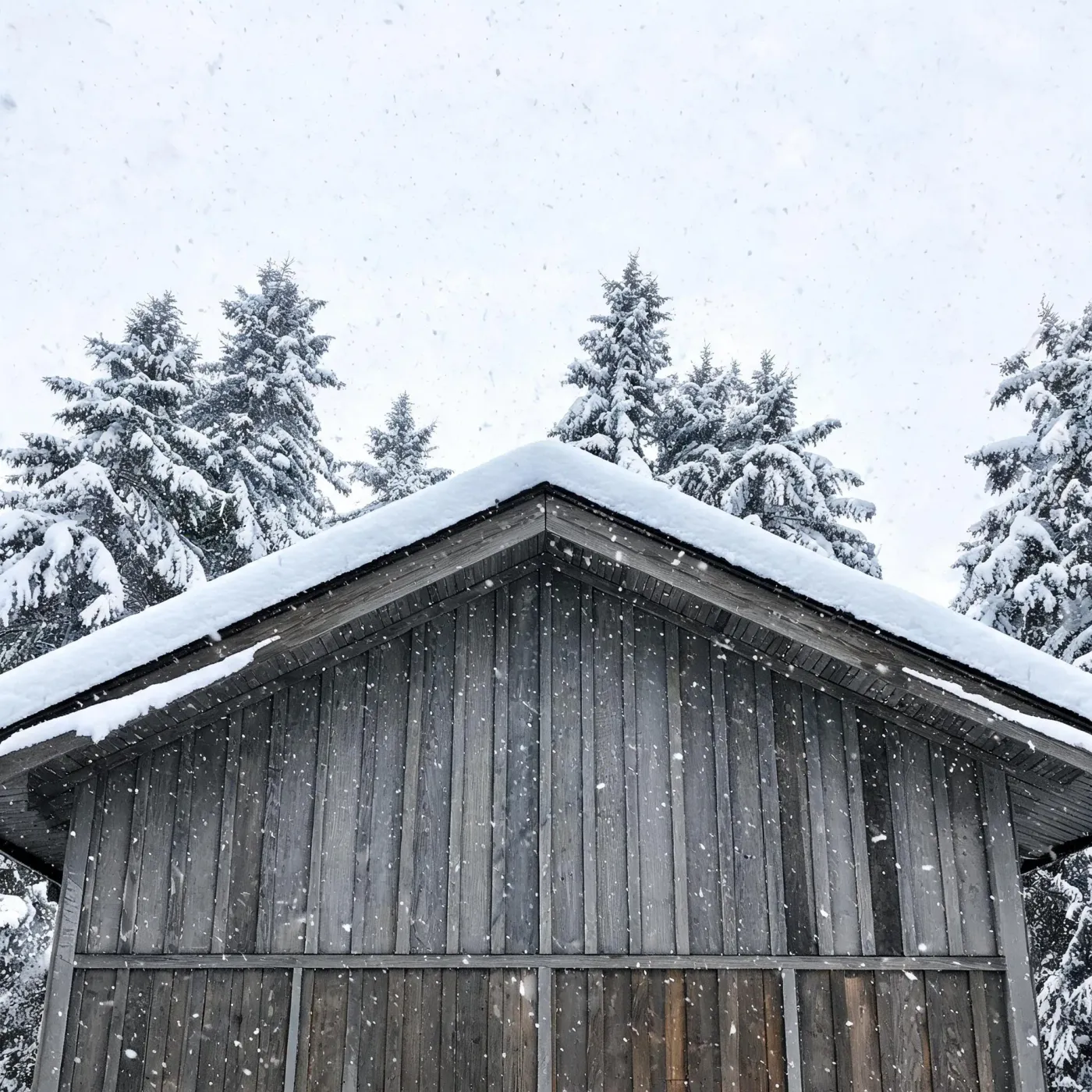
Your boiler works harder here than it would somewhere milder, because winter nights average 22°F across Idaho, and that cold runs the system in long, steady stretches to keep up. That kind of steady demand puts real hours on the pressure relief valve, the seals, and the fittings. A gasket that's starting to go or a valve that's already a little worn gets pushed past the point of holding, and that's when you see water at the base of the unit or around a pipe joint. The leak usually isn't sudden. It shows up because the cold has been asking more of the boiler than a mild stretch would.
NOAA nClimDiv 1991-2020 county normals weighted by homes


What the Leak Tells You
- A leak means a specific part has failed, usually the pressure relief valve, a seal, or a cracked fitting, and that part determines the fix.
- Letting a boiler run while it leaks risks more damage to the heat exchanger or the surrounding piping.
- A local contractor who services boilers all winter has likely already seen the exact failure yours is showing.
- You're matched with one licensed contractor local to Idaho, so you're not fielding calls from several companies at once.
- Catching the leak now means fewer surprises once the cold nights settle in and the system runs harder.
- Knowing which part failed tells you what the repair actually involves before anyone shows up.
A boiler leak always traces back to one failed part, and once you know which one, the rest of the picture makes sense. A weeping pressure relief valve means pressure built past what the system should carry. A seal or fitting giving out means age and corrosion did their work. Either way, the leak itself is the system telling you where to look. It is not a reason to shut the whole thing down and panic, but it is not something to run through another cold stretch either. Water finding its way out means something inside is already compromised, and heat and pressure do not make that better on their own.
Idaho winters put real hours on these parts, night after night of steady demand, and a contractor who works on boilers through that season has likely already pulled apart the exact failure yours is showing. That's who gets matched to you, someone local, licensed, and familiar with what fails first in systems running the same stretch of cold you're dealing with. You get one contractor, not a handful calling at once, so the person who reaches out is the one who's actually going to look at your boiler.
Once that call comes through, you'll know what the repair involves before anyone sets foot in your house. A valve that needs reseating is a different job than a cracked fitting, and you'll hear which one you're dealing with.

Boiler Repair
Get the right pro for your boiler

- Tell a local repair pro what your boiler is doing.

- Once you send the form, finding a pro is off your list.
- After you send the request, you're done searching.

- Answer a few questions instead of calling shop after shop.
- Describe your boiler job once, to one pro.

- Only one pro gets your request, so you hear from one company.
- Your request stays with one local pro.