Tell us about the job
Takes about a minute. No obligation.
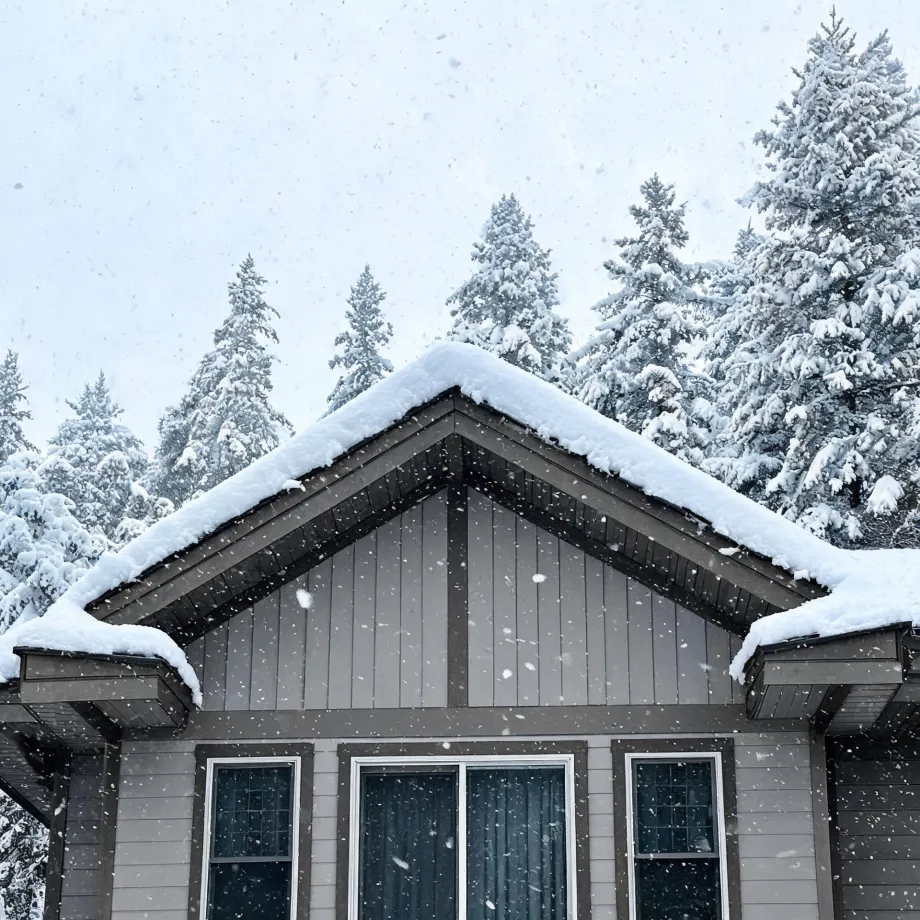
A boiler repair in Oneida County starts with the burner assembly and ignition system, because those are the parts that cycle every time the unit fires. Homes in Oneida County, ID run heat about ten months a year, from September through June. Across a season that long, the ignition components accumulate stress that shows up as hard starts, delayed ignition, or a unit that locks out on a cold morning. A contractor checking a boiler here pulls and inspects the igniter, the flame sensor, and the heat exchanger before quoting anything else, because those are where the load lands first.
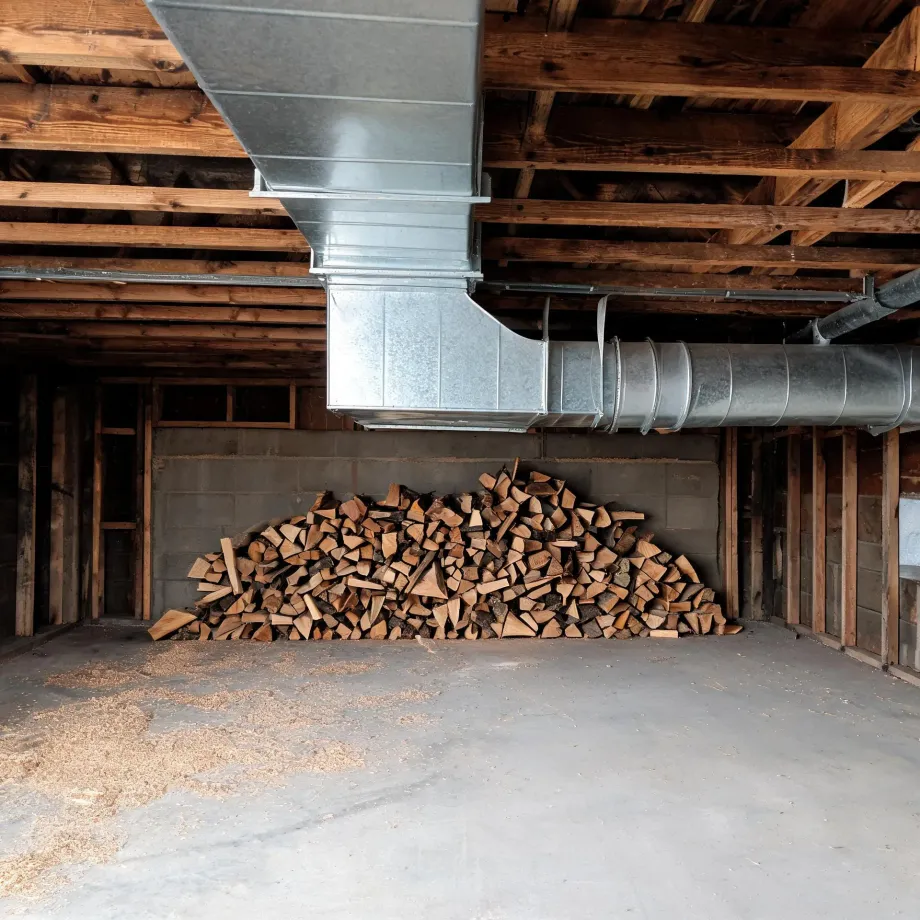
Piping that has been patched, re-routed, or joined across different eras of ownership is what a contractor frequently finds once a boiler is opened and the distribution side is traced. Half the homes in Oneida County, Idaho were built in 1971 or earlier (2020-2024 ACS 5-year). A boiler put in during a later retrofit inherits whatever zone controls, expansion tanks, and supply runs were already there, and those components were not selected with the current unit in mind. When a repair is needed, the question a contractor works through is whether the fault is in the boiler itself or somewhere in the distribution system it is trying to push heat through.
The Parts of a Boiler a Contractor Checks First
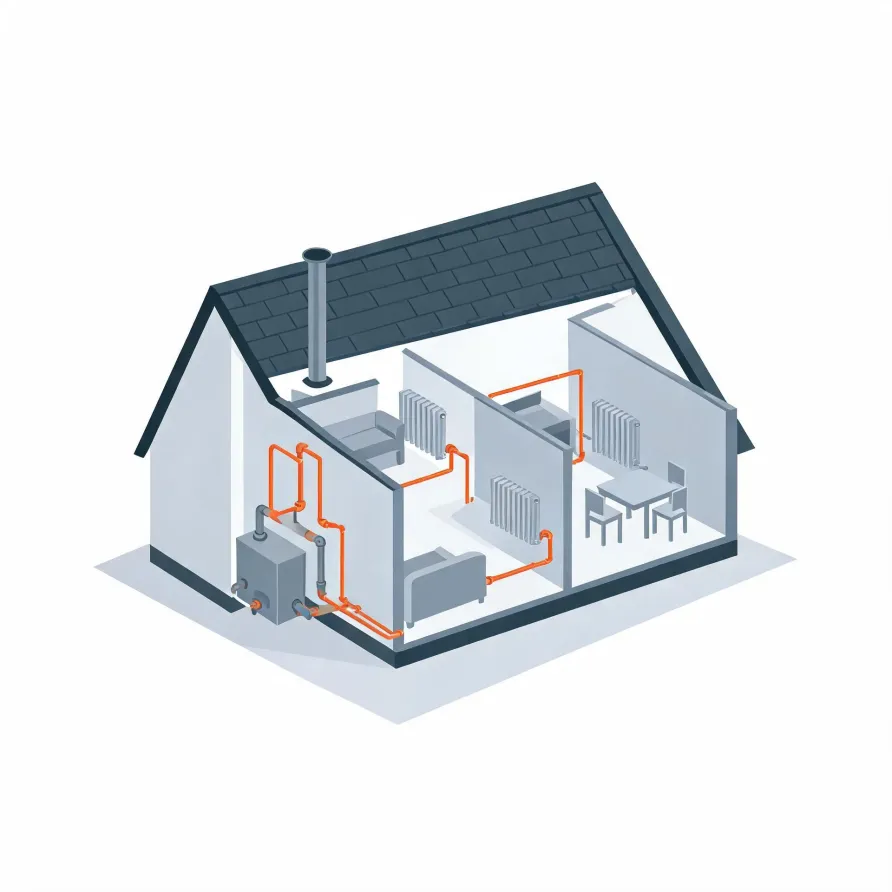
The boiler itself sits in the basement or a utility room and is the heart of the system. It heats water and pushes it out to the rest of the house. When heat stops reaching a room or stops coming altogether, the contractor starts here, checking the heat exchanger, burner, and pressure vessel for the fault.
Radiators or baseboard units sit in each room and release the heat carried to them by water running through supply and return pipes. The circulator pump, usually mounted close to the boiler, moves that water through the loop. A failed pump, a stuck zone valve, or a blocked pipe section all show up as uneven or absent heat in specific parts of the house.
The drawing shows a typical boiler layout, and a licensed contractor determines which components and conditions apply to your specific home.
Find a contractor in Oneida CountyOneida County, by the numbers
78 severe weather events were recorded in Oneida County, Idaho between 2015 and 2024.
NOAA National Centers for Environmental Information, Storm Events Database, bulk CSV export, events 2015-01-01 through 2024-12-31.Half the homes in Oneida County, Idaho were built in 1971 or earlier (2020-2024 ACS 5-year).
U.S. Census Bureau, 2020-2024 American Community Survey 5-Year EstimatesOneida County, Idaho holds 2,101 housing units (2020-2024 ACS 5-year).
U.S. Census Bureau, 2020-2024 American Community Survey 5-Year EstimatesOwners occupy 88.3% of the occupied homes in Oneida County, Idaho (2020-2024 ACS 5-year).
U.S. Census Bureau, 2020-2024 American Community Survey 5-Year EstimatesBoiler & HVAC Repair Rules for Oneida County, Idaho1 sourced rules and standards
Licensing and Legal Requirements in Oneida County, Idaho
Idaho requires a state certificate of competency for heating, ventilation and air conditioning work: it is unlawful to engage in the business, trade or practice without passing the examination and holding the certificate.
Severe Weather Events in Oneida County
Boilers work harder when outdoor conditions push further from normal, and that wear accumulates over time. How often this area sees severe weather shapes how much stress local heating systems carry, which is why this is a repair question specific to Oneida County.
78 severe weather events, 2015–2024. Source: NOAA National Centers for Environmental Information, Storm Events Database.