Tell us about the job
Takes about a minute. No obligation.
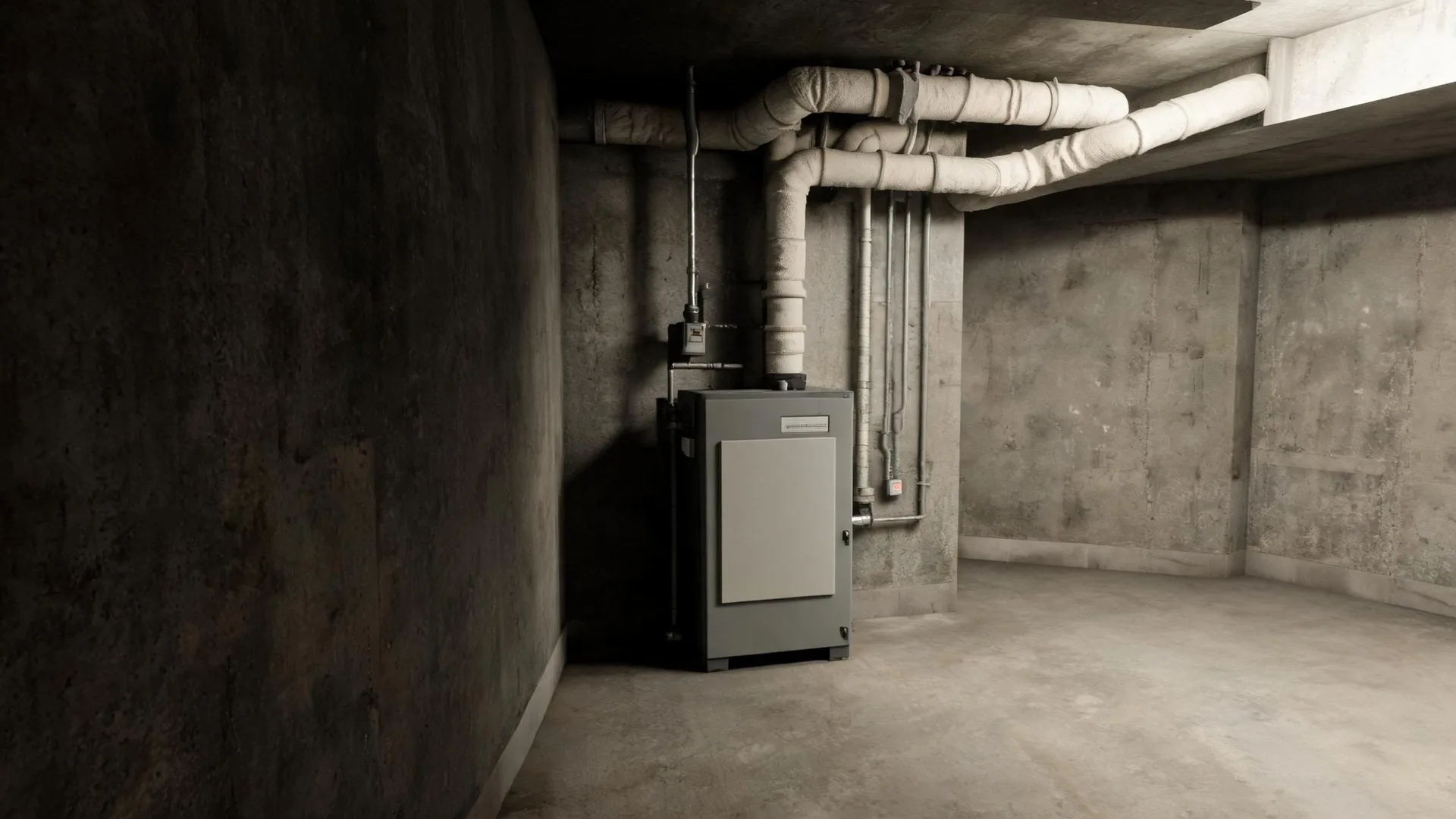
A boiler repair call here starts with the burner assembly and ignition system, because those are the parts that cycle every time the equipment fires. Homes in Clark County, ID run heat about ten months a year, from September through June. That is a long stretch of repeated starts and shutdowns, and the ignition components in particular accumulate stress with each one. Seals degrade, heat exchangers develop fatigue cracks, and the burner itself can shift out of calibration without a single dramatic failure to point to. A contractor working through a no-heat call looks at that accumulated wear before quoting any other part of the job.
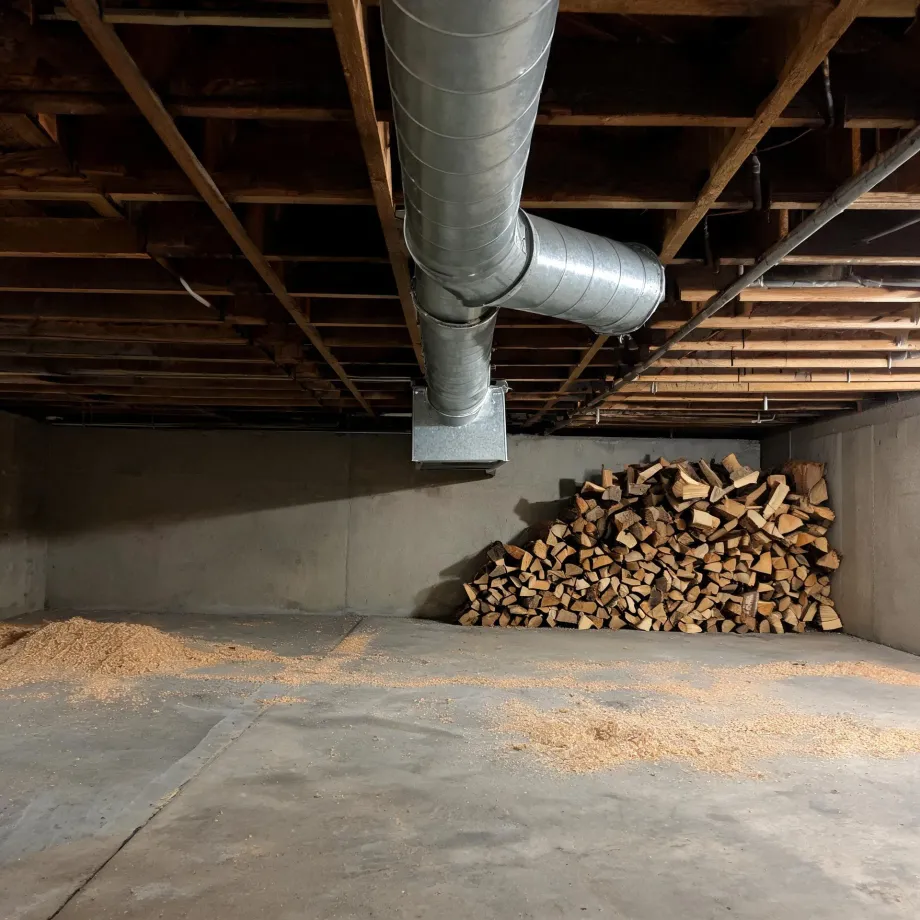
Boilers in stock this old carry a repair history written in layers: original venting runs, heat exchangers that have cycled through many winters, and replacement parts that may come from a supply chain the original manufacturer no longer touches. Half the homes in Clark County, Idaho were built in 1979 or earlier (2020-2024 ACS 5-year). That distribution means a contractor opening a boiler here frequently finds that what the unit needs is available, but sourcing it takes more than a catalog pull, and the venting configuration behind the unit shapes what a repair can legally leave in place.
The Parts of a Boiler a Contractor Checks First
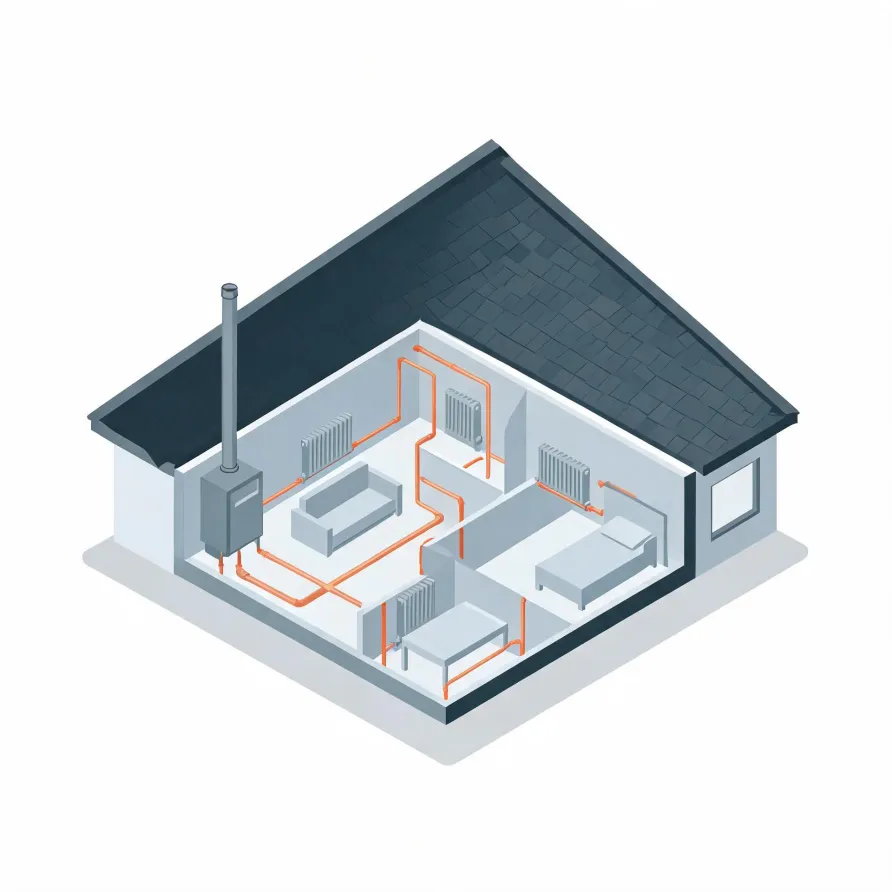
The boiler itself sits in a mechanical room, basement, or utility closet and is the unit that heats water and sends it out through the system. When it fails, the contractor looks at the burner assembly, the heat exchanger, and the controls first, since those are where most faults show up. A cracked heat exchanger or a misfiring burner will shut the system down or cause it to run poorly.
Circulator pumps move heated water from the boiler out to the radiators or radiant floor loops and back again. The expansion tank, usually mounted near the boiler, keeps pressure from building too high as water heats. Thermostats and zone valves sit at various points in the house and tell the system when and where to deliver heat, so a fault in any of them can look like a boiler problem even when the boiler itself is fine.
The drawing shows a typical layout, and a licensed contractor determines which components and conditions apply to your specific system.
Find a contractor in Clark CountyClark County, Idaho, by the numbers
104 severe weather events were recorded in Clark County, Idaho between 2015 and 2024.
NOAA National Centers for Environmental Information, Storm Events Database, bulk CSV export, events 2015-01-01 through 2024-12-31.Half the homes in Clark County, Idaho were built in 1979 or earlier (2020-2024 ACS 5-year).
U.S. Census Bureau, 2020-2024 American Community Survey 5-Year EstimatesClark County, Idaho holds 456 housing units (2020-2024 ACS 5-year).
U.S. Census Bureau, 2020-2024 American Community Survey 5-Year EstimatesOwners occupy 61.3% of the occupied homes in Clark County, Idaho (2020-2024 ACS 5-year).
U.S. Census Bureau, 2020-2024 American Community Survey 5-Year EstimatesBoiler & HVAC Repair Rules on the Books for Clark County, Idaho1 codes, standards & laws
Licensing and Legal Requirements in Clark County, Idaho
Idaho requires a state certificate of competency for heating, ventilation and air conditioning work: it is unlawful to engage in the business, trade or practice without passing the examination and holding the certificate.
Severe Weather Events in Clark County
Hard weather puts real stress on boiler systems, and that stress compounds over time. How often Clark County sees severe conditions shapes how hard local equipment has to work and how quickly wear accumulates.
104 severe weather events, 2018–2024. Source: NOAA National Centers for Environmental Information, Storm Events Database.